What to know about access limits for Aldgate gardeners
If you're arranging work in Aldgate, access is often the bit that decides whether a job feels easy or awkward. Gates can be narrow, bins can block passage, shared entrances can be busy, and parking in central London rarely behaves itself. So when people ask about What to know about access limits for Aldgate gardeners, they're usually trying to understand something very practical: how gardeners get in, where tools go, and what needs to be clear before the first spade hits the soil.
That matters more than most people expect. A tidy garden can still be a frustrating job if a mower can't fit through the side return, if cuttings have to be carried through a flat, or if a tree reduction needs extra time because the only route is via a shared courtyard. The good news? With a bit of planning, most access problems are manageable. This guide breaks it down in plain English, with the sort of details that save time, reduce stress, and help you book the right kind of service.
Table of Contents
- Why access limits matter
- How access limits work in practice
- Key benefits of planning access properly
- Who needs this and when it makes sense
- Step-by-step guidance
- Expert tips for better results
- Common mistakes to avoid
- Tools, resources and recommendations
- Law, compliance, standards, or best practice
- Options, methods, or comparison table
- Case study or real-world example
- Practical checklist
- Conclusion
- Frequently asked questions
Why access limits matter
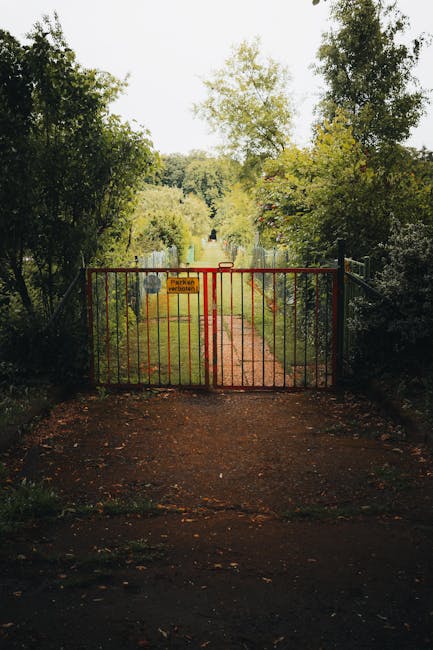
Access is not just a logistical detail. It shapes the whole visit. In Aldgate, many properties sit in dense streets, mixed-use buildings, mansion blocks, or developments where pathways are shared and outdoor space is squeezed into a small footprint. That means a gardener may need to work around door codes, limited lift access, loading restrictions, or a long walk from the road to the garden itself.
Why does this matter so much? Because access affects time, effort, equipment choice, and safety. A straightforward lawn cut can become a half-day visit if everything has to be carried through a building. A hedge trim may need smaller tools if access is tight. A garden clearance may need extra sacks, more manpower, or a phased approach so waste can be removed without blocking communal areas.
To be fair, people often assume the garden itself is the main issue. Sometimes it isn't. The path to the garden is the issue. That's the bit that changes the quote, the schedule, and occasionally the whole method of work. If the route is awkward, the job can still be done, but it needs planning rather than guesswork.
There's also a neighbourly side to this. In shared buildings, access limits can affect noise, cleanliness, and how long a team is in communal spaces. The better the access plan, the less disruption for everyone.
How access limits work in practice
Access limits usually fall into a few simple categories. Once you spot which ones apply, the job becomes easier to organise.
1. Physical access
This is the obvious one: gate width, doorway size, narrow side passages, stairs, steep slopes, and uneven surfaces. If a mower, chipper, wheelbarrow, or bagged waste cannot pass through safely, the team has to adapt. Sometimes that means using smaller tools. Sometimes it means carrying items by hand. Occasionally it means splitting the work into stages.
2. Building access
Some gardens are reached through communal hallways, rear entries, or basement routes. In those cases, the gardener may need keys, codes, or permission from building management. If this isn't sorted in advance, the appointment can stall while someone is chased for access. Nobody enjoys that. Not the client, not the gardener, not the poor person standing in the rain at 8:30 on a Tuesday.
3. Vehicle and parking access
In central London, parking and unloading are often decisive. If a van cannot stop nearby, materials and waste take longer to move. This is where parking restrictions, loading bays, and timing windows come into play. Gardeners may need to arrive early, work within a set slot, or bring equipment in smaller loads. That can affect labour time and cost.
4. Operational access
Even when physical entry is fine, the work area itself might be constrained. For example, there may be a narrow lawn, raised beds, awkward turning space, or fragile paving that limits where tools can be placed. In a small courtyard, just turning a wheelbarrow can feel like a three-point turn in miniature.
At this stage, the real question becomes: what needs to move, where, and how safely? Once that's clear, the job plan becomes much more reliable. If you want a broader view of the company's service range, the services overview is a useful place to start.
Key benefits of planning access properly
Planning access well may not sound glamorous, but it pays off quickly. The benefits are practical and easy to feel on the day.
- Faster work: less time spent navigating routes, unlocking gates, or carrying kit long distances.
- Better pricing accuracy: the quote is more likely to reflect the real amount of labour involved.
- Lower risk of damage: fewer bumps on walls, turf, paving, and shared interior spaces.
- Less disruption: neighbours, tenants, and building managers get fewer surprises.
- Cleaner finish: waste can be removed more efficiently and the site is left tidier.
- Safer working conditions: fewer trip hazards, fewer awkward lifts, and less strain on equipment.
There's a quieter benefit too: peace of mind. When you know the access is sorted, the whole visit feels calmer. The gardener can get on with the work, and you are not stuck answering last-minute questions about where the hedge trimmer should be carried through.
Who this is for and when it makes sense
Access planning matters for almost anyone booking garden work in Aldgate, but it becomes especially important in a few situations.
- Flat owners and tenants with communal entrances or rear garden access.
- Landlords and letting agents who need reliable turnaround between tenancies.
- Property managers handling shared outdoor areas and building rules.
- Businesses with courtyard planting, frontage maintenance, or rooftop spaces.
- Homeowners with narrow side access, basement gardens, or enclosed plots.
- Anyone booking larger tasks such as garden clearance, hedge reduction, or tree work.
It also makes sense when the job is seasonal. Spring growth, autumn clearance, and post-storm tidying often create more waste than usual. If the access route is limited, that extra volume matters. A small access issue on a dry day can become a bigger one if branches, wet soil, or heavy sacks have to be moved through a tight corridor.
If you already know your garden is awkward to reach, don't wait for the day of the visit to mention it. A quick, honest description up front usually saves everyone time.
Step-by-step guidance
Here's the simplest way to approach access limits without overcomplicating it.
- Walk the route yourself. Start at the street and follow the exact path a gardener would take. Open every gate. Note stairs, corners, locks, and anything that narrows the route.
- Check widths and pinch points. You do not need a tape measure for everything, but if a gate or passage looks tight, measure it. That small bit of info can be very useful.
- List the obstacles. Bins, bikes, prams, washing lines, scooters, plant pots, and stored furniture all count. They may be easy to move, but they still slow things down.
- Think about waste removal. Ask yourself where clippings, soil, branches, or cleared materials will go. If there is no easy route to the kerb or van, the team needs to know.
- Flag any shared access. If a porter, concierge, resident, or building manager has to unlock a door, say so early. Don't leave it to chance.
- Share timing constraints. Some buildings are quieter at certain times. Some roads are less accessible during peak hours. Mention any preferred windows.
- Agree the working method. For example, smaller-load clearance, hand-carrying waste, or using compact equipment may be the right fit.
- Confirm the plan before the visit. A short written summary by email is often enough. Nothing fancy. Just clear.
A little note from experience: the most useful access details are often the small ones. "The gate sticks unless lifted slightly." "The lift is narrow." "The courtyard door closes itself." Those little quirks matter more than people realise.
Expert tips for better results
If you want smooth access and fewer surprises, these tips help a lot.
Be specific, not vague
"Access is fine" rarely means much. Better to say: "There's a side gate, but the path is narrow and there are two steps down." That gives the gardener something real to work with.
Clear the route before the team arrives
Moving bins, pots, tools, and outdoor furniture ahead of time can save a surprising amount of labour. It also makes the site safer. One wet watering can in the wrong place can turn into a trip hazard very quickly.
Allow for extra time on clearance jobs
Garden clearance, hedge trimming, and tree-related work often produce bulky waste. If the only route out is through a narrow hallway or shared entry, the job may need more time than a standard maintenance visit. That is not a problem; it just needs to be accounted for properly.
Think about the weather
After rain, a narrow path can become muddy or slippery, and carrying heavy bags gets clumsier. On hot days, repeated trips through a building can be more tiring than you'd expect. London weather loves a twist, of course.
Make one person responsible for access
If multiple people are involved, confusion creeps in. One contact who holds keys, codes, or building instructions is much easier than three people each assuming somebody else has it covered.
Ask what equipment is likely to be used
Compact tools may work well in tight gardens, while larger machinery may not be practical. That matters for jobs like lawn mowing, hedge trimming, and tree lopping and removal.
Sometimes the right answer is not "more force", it's "smarter method". That's the real trick.
Common mistakes to avoid
A lot of access problems come from small oversights rather than major failures. The good news is that these are easy to avoid once you know them.
- Leaving access details until the morning of the visit. That's usually when delays begin.
- Assuming the gardener will figure it out. They might, but it may cost time and reduce efficiency.
- Forgetting shared-building rules. Some properties have quiet hours, entry procedures, or porter requirements.
- Not clearing movable clutter. Even lightweight items create friction in narrow spaces.
- Underestimating waste volume. A small garden can still produce a large pile after clearance or pruning.
- Ignoring parking realities. If unloading is difficult, the whole schedule shifts.
- Failing to mention awkward surfaces. Slopes, loose gravel, and slippery paving affect both safety and speed.
A common one is the "Oh, it's just around the back" problem. Sometimes "around the back" means through two locked doors, past a bin store, and down a flight of steps. Not ideal. Better to describe the route exactly as it is, even if it feels a bit tedious.
Tools, resources and recommendations
You do not need specialist equipment to prepare for access planning, but a few simple tools make the process easier.
- Measuring tape: useful for gates, doorways, and narrow paths.
- Phone photos or short video: a quick visual often explains access far better than a paragraph.
- Simple site notes: write down key hazards, locks, or timing restrictions.
- Bin bags or rubble sacks: handy if waste needs to be staged before removal.
- Head torch or phone light: helpful if access points are dimly lit early in the morning or later in the day.
If you are booking broader work, it can help to look at the surrounding service pages too. For routine upkeep, garden maintenance is usually the best starting point. If the area needs a bigger reset, garden clearance may be more appropriate. For more design-led projects, you might also explore landscaping or landscape gardening.
And if the project involves timber surfaces, a garden deck, or a mixed outdoor layout, decking services can matter because the access route may need protecting during the work.
Law, compliance, standards, or best practice
Access limits are not usually about one single rule. They are about sensible working practice, safety, and respecting property arrangements. In the UK, gardeners and property occupiers generally need to think about safe movement, clear communication, and reasonable care for people and property. For shared buildings, management rules and lease conditions may also shape how access works.
Best practice usually includes the following:
- Safe manual handling: carrying heavy loads through tight spaces should be managed carefully.
- Clear communication: everyone involved should know how entry works and who is responsible for opening doors or gates.
- Respect for communal areas: protect hallways, lifts, and entrances from mud, scratches, and blockages.
- Risk awareness: wet paving, poor lighting, and uneven routes should be treated seriously.
- Insurance awareness: for more complex work, it is sensible to understand how liability and cover are handled.
If you want reassurance around safety and responsibility, it is worth reviewing the company's insurance and safety information and its health and safety policy. Those pages are useful because they show how a professional approach should be framed, even before the first job starts.
There is also a practical side to trust. Clear terms, clear payment handling, and a transparent complaints route make it easier to work confidently. For example, the payment and security page, the terms and conditions, and the complaints procedure all help set expectations in a straightforward way.
Truth be told, most problems are not legal dramas. They are just badly communicated access details. That's fixable.
Options, methods, or comparison table
Different access situations call for different working methods. Here is a simple comparison that may help you think through the best approach.
| Access situation | Practical method | Main advantage | Trade-off |
|---|---|---|---|
| Wide, direct garden access | Standard equipment and normal load removal | Fast and efficient | Usually few drawbacks |
| Narrow side passage | Compact tools, smaller loads, careful routing | Still workable in tight spaces | Can take longer |
| Shared building entry | Pre-arranged keys/codes and protected movement through communal areas | Clear process and fewer delays | Needs coordination |
| No nearby parking | Timed unloading, staged carrying, possibly more labour time | Job can still proceed | Higher effort and slower turnaround |
| Bulky clearance waste | Phased removal and extra loading capacity | Safer handling | May require more time or visits |
The right method depends on the property, the task, and how much material is being moved. A small front garden with a narrow gate is one thing. A large rear clearance through a basement corridor is another entirely. Same word, very different reality.
Case study or real-world example
Imagine a flat in Aldgate with a compact rear courtyard, accessed through a communal hallway and then a narrow side gate. The owner wants a tidy-up, hedge trim, and removal of a few bags of cuttings. On paper, it sounds simple enough.
But once the route is checked, a few issues appear. The gate opens only fully if the bins are moved. The hallway has a carpet runner that should not get muddy. There is no nearby parking for a van, and the route out to the street includes a shared entrance with a self-closing door.
What happens next? A sensible plan would be to:
- arrange a time when the communal hallway is quiet,
- clear the bins before arrival,
- use smaller tools where possible,
- bag waste neatly for staged removal,
- and protect the hallway as the team moves in and out.
The job still gets done. It just gets done properly. And that matters, because the difference between a smooth visit and a chaotic one is often ten minutes of planning at the front end.
In a second example, a small business with planted frontage might need regular upkeep, but the only access is through a service door that shares space with deliveries. In that case, work may be scheduled outside peak delivery times and the gardener may bring only the tools needed for that visit. Simple enough, but it makes all the difference.
Practical checklist
Use this checklist before booking or confirming a visit.
- Have you walked the access route yourself?
- Are gate widths, steps, and tight corners clear?
- Do you know whether keys, codes, or permission are needed?
- Have you moved bins, bikes, or other obstacles out of the way?
- Is parking or unloading nearby, or will the team need to carry equipment further?
- Will the job create waste that needs carrying back through the same route?
- Are there shared areas that need protecting?
- Have you mentioned any fragile paving, slippery surfaces, or lighting issues?
- Do you know whether the task is routine maintenance, clearance, hedge work, or something larger?
- Have you confirmed the access plan in writing or by message?
Expert summary: If access is simple, the gardening job usually feels simple. If access is awkward, the work can still go ahead, but planning becomes part of the service. That is not a problem; it is just the difference between a quick visit and a well-managed one.
And if you want to understand the company behind the service before you book, the about us page is a helpful place to see the wider approach.
Conclusion
So, what to know about access limits for Aldgate gardeners? Mostly this: good gardening in a busy part of London depends on good access planning. Narrow routes, shared entrances, limited parking, and awkward waste removal can all shape the method, timing, and cost of a job. None of that has to be a problem. It just needs clear communication before the visit, not after the van has arrived and everyone is already juggling tools.
If you take one thing from this guide, let it be this: describe the access exactly as it is. Mention the gate, the stairs, the hallway, the parking, the bin store, the weirdly sticky latch, all of it. That honesty helps the gardener plan properly and keeps the whole thing calm from start to finish.
Get a free quote today and see how much you can save.
A well-planned visit feels almost effortless. Not quite magic, but close enough on a busy day in Aldgate.
Frequently Asked Questions
What are access limits for gardeners in Aldgate?
Access limits are the practical restrictions that affect how a gardener gets to and works in a garden. They can include narrow gates, shared entrances, stairs, limited parking, or awkward routes for moving waste and tools.
Why do access limits affect the price of garden work?
They can affect labour time, equipment choice, and waste removal. If a job takes longer because tools and materials have to be carried by hand or through tight spaces, that usually changes the amount of work involved.
Do I need to measure my gate or pathway before booking?
If the route looks tight, yes, it helps. A rough measurement of gate width, doorway size, or passage width can be very useful. Even a simple phone photo can give a gardener a clearer idea than a quick description alone.
Can gardeners still work if there is no nearby parking?
Often yes. They may need to unload in a different way, allow extra time, or carry equipment further. It is still possible, but it should be mentioned before the visit so the plan is realistic.
What should I tell a gardener about shared building access?
Say whether they need keys, codes, porter assistance, or permission from building management. Also mention quiet hours, hallway protection, or any rules for moving through communal areas.
Is access planning more important for clearance work than regular maintenance?
Usually, yes. Clearance and pruning jobs tend to produce more waste, so access to move bags, branches, or clippings becomes more important. That said, maintenance work can still be affected if the route is very tight.
What if my garden can only be reached through the house?
That can still work, but it needs careful handling. The route should be protected, the time window should be agreed, and the team should know in advance so they can plan for cleanliness and safe movement.
How much detail should I give when describing access?
More than you think. Mention gates, steps, locks, narrow corners, parking, bins, and any shared areas. The small details are often the ones that prevent delays.
Do access limits affect health and safety?
Yes, they can. Tight spaces, wet surfaces, poor lighting, and awkward lifting all increase risk if they are not planned for. That is why professional gardeners usually want clear access information beforehand.
Should I clear the route before the gardener arrives?
Absolutely, if you can. Moving bins, pots, bikes, and other obstacles out of the way saves time and reduces the chance of damage or trips. It is one of the easiest ways to help the job run smoothly.
What if I am not sure whether the access is good enough?
Describe it honestly and ask for advice before booking. A quick discussion is usually enough to decide whether the job needs a compact approach, extra labour, or a different schedule.
Where can I read more about the wider service approach?
You can look at the services overview, pricing and quotes, and the company's policy pages on safety, payment, and recycling. They give a clearer picture of how jobs are organised and what to expect.