Garden Maintenance in Aldgate

Garden maintenance in Aldgate should feel straightforward, tidy and well planned. Our work focuses on keeping planted areas, lawns, hedges and shared outdoor spaces in good condition through regular, practical care rather than one-off tidying alone. That can include routine mowing, edging, trimming, clearance of light green waste and general upkeep that helps a garden stay manageable through the seasons. If you are looking for a simple, reliable way to keep an outdoor space under control, start with a clear maintenance plan and a few priorities for the visit.
The right maintenance approach depends on what is already in the garden and what you want it to look like next. Some spaces need more frequent lawn care, while others need attention to borders, climbers, shrubs or overgrown sections that have started to block paths and planting areas. We can work around the shape of the space and the condition of the planting so the finished result looks neat without overcutting or stripping away healthy growth. Careful work matters when the aim is long-term presentation, not just a quick tidy.
For a clearer starting point, the most useful details are the size of the garden, the type of work required and whether the visit is a one-off or part of ongoing upkeep. If the space includes awkward access, shared entrances or different surface types, it helps to mention that early so the job can be planned sensibly. You can request a quotation once you have a short list of the work you want done.
Routine Garden Upkeep
Routine maintenance is the backbone of a smart-looking garden, especially where grass, hedges and borders change quickly from one week to the next. A regular visit might cover mowing, strimming, weeding, leaf collection and removal of light debris from paths or patio edges. The aim is to keep the space presentable and reduce the build-up that turns a manageable job into a larger clearance project. Where needed, we can also shape the work around planting so the garden keeps its structure.
There is a difference between routine upkeep and restorative work. Routine upkeep preserves a finished look and keeps growth under control, while restorative work is used when the garden has been left longer between visits and needs extra time on overgrowth, edging, congestion or cluttered beds. Both can be useful, but they suit different starting conditions. If you want a tidy finish rather than a full redesign, maintenance is usually the right place to begin. Ask for a quote when you are ready.
Lawn Care and Grass Cutting

Lawn care is often the most visible part of garden maintenance, and it works best when it is done to suit the growth pattern of the grass rather than on a fixed assumption. A tidy lawn usually needs mowing at an appropriate height, defined edges and a finish that avoids scalping patchy areas. Where lawns have become uneven, the approach may need to be more measured so the grass recovers properly afterwards. Good lawn work should leave the surface neat, even and ready for everyday use.
Some gardens have straightforward open lawns, while others include narrow strips, shaded patches, slopes or grass that sits close to planting beds and paving. Those details affect how the work is carried out and how long it takes. A good result is not only about the cut itself; it also depends on trimming around borders, clearing clippings and keeping the lawn's outline crisp. If the grass has become long or coarse, it may need staged attention rather than a single heavy cut.
- Mowing to suit the condition of the lawn
- Edging around borders, beds and paths
- Light clearing of cuttings and surface debris
- Careful treatment of awkward or uneven areas
Hedge Trimming and Shrub Shaping
Hedges and shrubs give a garden structure, but they can quickly lose their shape if they are not maintained regularly. Trimming keeps formal hedging clean and defined, while shrub shaping helps softer planting stay balanced rather than sprawling into paths, windows or neighbouring beds. The aim is not to cut everything back hard, but to remove excess growth in a way that keeps the plant healthy and the garden looking deliberate. We can also collect trimmings as part of the visit.
Different plants need different handling. A clipped boundary hedge is treated differently from a mixed shrub border or a mature bush that has gone beyond its ideal outline. Timing matters too, because some plants respond better to light, regular trimming while others need a more cautious approach. Where a hedge is tall or wide, the job may require more time for access, shaping and tidy-up. Thoughtful trimming helps the whole garden read more clearly and stay easier to manage.
If you are comparing options, think about whether the hedge needs simple maintenance, a fuller reduction in size or careful reshaping to restore the outline. The right choice depends on the current growth, the season and how much of the plant can be removed without spoiling its natural form. A brief description of the hedge height, length and condition is usually enough to start the quotation process.
Garden Clearance for Neglected Areas
When a garden has been left for a while, clearance work can make the space usable again and create a clear base for ongoing care. This may involve removing dense weeds, cutting back overgrown material, gathering loose waste and opening up paths, borders or corners that have become blocked. The purpose is practical: to bring the space back to a state where maintenance becomes possible again. Clearance is often the first stage before routine upkeep can be effective.
Clearance is best approached with a clear sense of what should be kept and what should be removed. That is especially important in gardens where mature plants are mixed with unwanted growth, or where seasonal debris hides the original layout. A considered approach avoids stripping away useful planting simply because the area looks untidy at first glance. If the garden includes hidden access points, uneven ground or dense material, those factors should be noted at the outset so the work can be planned safely and efficiently.
For many customers, the useful question is whether the garden needs a single clearance visit or a clear-up followed by regular maintenance. Both are valid, but they serve different purposes. Clearance restores order; maintenance keeps it. Once the main work is described clearly, it becomes much easier to agree a sensible quotation and decide whether follow-up visits would help.
Planting Areas and Border Care

Border care is a key part of garden maintenance because planted edges often define the whole feel of the space. Keeping borders tidy may involve cutting back encroaching weeds, removing fallen leaves, deadheading where appropriate and controlling growth so the bed remains open and intentional. This sort of work helps ornamental planting, mixed borders and smaller garden beds stay visible rather than being lost under surrounding growth. It can also make later pruning and planting decisions easier.
Planting areas vary widely, so the care they need should never be treated as one-size-fits-all. A bed full of established perennials is handled differently from a young border, a shrub bed or a space with seasonal planting. In some gardens, the priority is to create a cleaner line along the lawn or path; in others, it is to reduce crowding around the plants already there. Measured care keeps the garden attractive without overworking it.
Good border maintenance also includes sensible tidying after the main work is done. Removing loose stems, checking the edge of the bed and clearing stray growth from paving makes the whole area look more complete. If you would like the borders included in a wider maintenance visit, it is helpful to mention any plant areas that need particular attention or should be left alone.
Garden Maintenance in Aldgate and the Surrounding Streets
Our garden maintenance service in Aldgate is designed for outdoor spaces that need regular attention rather than occasional heavy intervention. That might include small private gardens, shared courtyards, planters, narrow access spaces or mixed-use areas that benefit from a neat, repeatable routine. The work can be shaped around the condition of the garden, whether the priority is a simple tidy, a more detailed refresh or a practical plan for keeping the space in order through the year.
When preparing a quotation, it helps to think about the main tasks you want covered. A concise note is usually enough: the approximate size of the area, whether there is grass, hedge work, border tidying or clearance, and whether the job is for one visit or recurring maintenance. If access is limited, or if there are items that should be left in place, that is useful too. This keeps the quotation accurate and avoids unnecessary assumptions. For a quicker start, describe the space clearly before requesting a price.
About Aldgate
Aldgate is a historic area on the eastern side of the City of London, shaped by centuries of trade, rebuilding and movement through the capital. The name is linked to one of the old city gates, and the district sits close to the line where the medieval City met routes heading out towards the East End and the River Thames. Today, Aldgate combines business streets, residential buildings and transport links, with a character that reflects both its long history and its place within a busy modern centre. The area is closely associated with landmarks such as St Botolph without Aldgate, a church with medieval origins, and the nearby streets that show the layers of later rebuilding after the Great Fire and the development of London’s commercial core. Architecture in and around Aldgate ranges from older ecclesiastical sites to later office blocks and contemporary high-rise buildings, creating a varied streetscape within a compact area. The district also sits near important city routes, so foot traffic, cycle movement and commuting patterns remain part of its everyday atmosphere. Although the original gate no longer stands, the place name continues to mark a distinct historical point in the wider fabric of the City. Aldgate is also near the edge of several recognisable neighbourhoods, including the streets leading toward Whitechapel and Tower Hill, which helps explain its layered identity. The result is an area that feels both central and transitional, with historic reference points, urban density and a strong sense of connection to London’s wider past.
Trimming, Seasonal Tidy-Ups and Ongoing Care
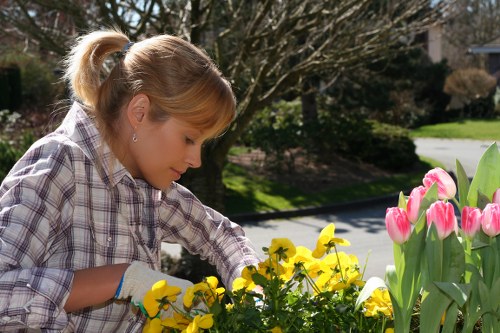
Seasonal maintenance helps a garden stay balanced as conditions change through the year. Leaves, faded growth, softer stems and the aftermath of faster growing months can all make a space look neglected even when the planting itself is healthy. A seasonal tidy-up may therefore include light cutting back, clearing debris, fresh edging and attention to areas that look crowded after strong growth. The aim is to restore shape and space without making unnecessary changes to the garden’s character.
Ongoing care is especially useful where the same issues return regularly: grass keeps growing, hedges fill out, weeds reappear and debris gathers after weather shifts. Rather than waiting for the garden to become difficult to manage, a repeat maintenance pattern can keep the workload more even and the space more pleasant to use. Consistency matters because small, regular jobs are usually simpler than a large recovery task after months of neglect. If you are planning ahead, ask for a quotation that reflects the type of upkeep you actually need.
Some gardens benefit from a lighter touch, while others need a fuller visit with more time spent on collection, shaping and detail work. If there are specific results you want, such as clearer edges, more open borders or a tidier overall presentation, make those priorities part of the brief. A good maintenance service should match the garden as it stands, not force it into a fixed pattern.
Pricing Factors and Quotation Details
Garden maintenance pricing is usually shaped by practical factors rather than a single universal rate. The size of the outdoor space, the condition of the growth, the amount of trimming or clearing required and the ease of access all influence the time involved. A well-kept garden may need only a short visit, while a more overgrown one may need considerably more work to achieve the same presentable finish. That is why a clear description helps produce a more realistic quotation.
It is also useful to note whether you want a one-off visit, recurring maintenance or a combination of different tasks carried out together. A garden that needs mowing, hedge trimming and border care in the same visit may require more time than one with only a single job. If you have photos, they can help illustrate the condition of the space, but a written outline of the work is just as important. The clearer the brief, the easier it is to quote accurately and plan sensibly.
When you are ready to move forward, the best next step is to ask for a quotation based on the actual work required. That keeps expectations aligned and gives you a simple starting point for choosing the right level of maintenance. Request a quotation if you would like to get started.
Garden Maintenance for Different Outdoor Layouts

Not every garden is laid out in the same way, so maintenance needs to be flexible enough to suit the space rather than the other way around. A compact courtyard might need precise edge work and tidy surface cleaning, while a deeper rear garden may involve more lawn care, shrub trimming and clearance between planting zones. Raised beds, narrow side returns, shared entrances and mixed paving all change how the work is handled and what the finished result should look like.
Good maintenance should improve the garden without creating unnecessary disruption. That means choosing the right sequence of tasks, clearing waste as part of the visit and leaving the main features of the garden intact. It also means understanding when a space only needs a light tidy and when it would benefit from a more complete refresh. If your garden has a mixture of surfaces or planting types, that variety should be reflected in the plan from the start.
To keep the process simple, tell us which parts of the garden matter most to you: grass, hedges, borders, access routes or a general overall tidy. You do not need to over-explain every detail, but the main priorities help shape a sensible service. If you would like to discuss the work further, contact us and request a quotation.