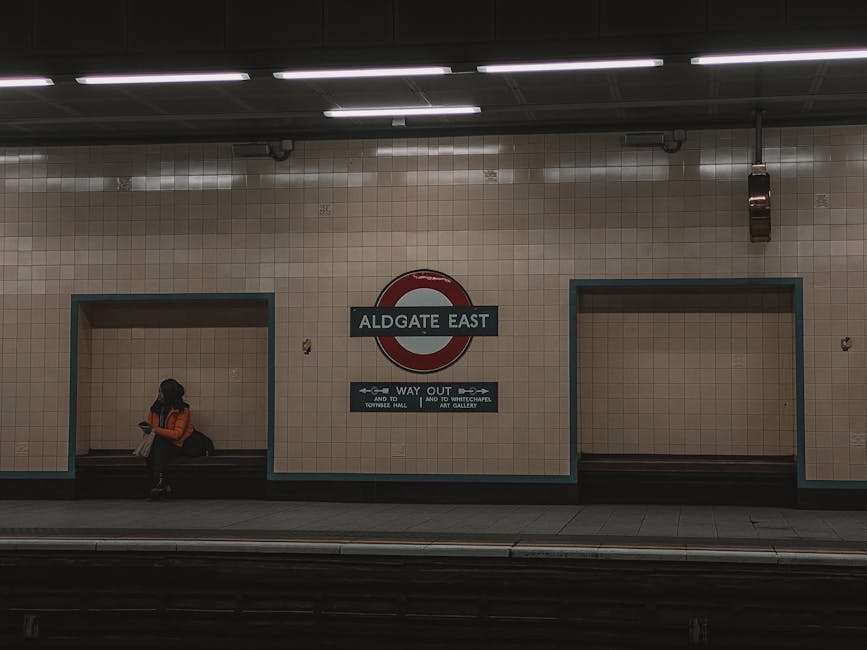
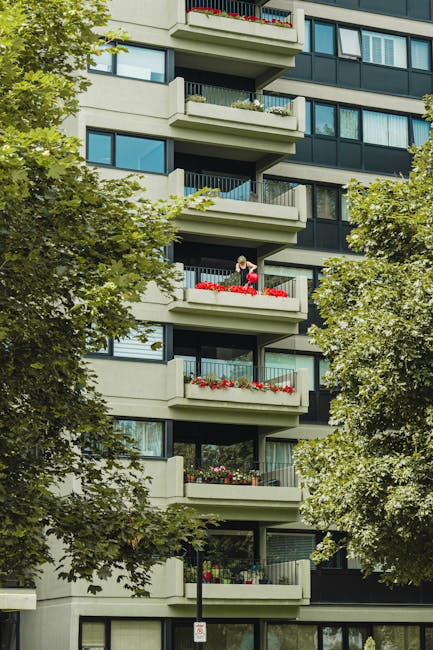
Top Aldgate East station gardeners for small balconies
If you live near Aldgate East and only have a small balcony to work with, you already know the challenge: a few square metres, a bit of wind, sometimes patchy light, and nowhere to hide a bad design choice. The good news is that the right Top Aldgate East station gardeners for small balconies can turn that awkward little outdoor space into something calm, green, and genuinely useful. Not a jungle. Not a showroom. Just a space that fits your life.
This guide walks through what balcony gardening actually involves, how the best local gardeners approach compact spaces, what to ask before hiring, and how to avoid the mistakes that waste money and plant life. If you want a result that feels tailored rather than crammed-in, you are in the right place.
For readers who want a broader view of what is available locally, it can also help to scan the full services overview and the practical details in garden maintenance before making any decisions.
Table of Contents
- Why Top Aldgate East station gardeners for small balconies Matters
- How Top Aldgate East station gardeners for small balconies Works
- Key Benefits and Practical Advantages
- Who This Is For and When It Makes Sense
- Step-by-Step Guidance
- Expert Tips for Better Results
- Common Mistakes to Avoid
- Tools, Resources and Recommendations
- Law, Compliance, Standards, or Best Practice
- Options, Methods, or Comparison Table
- Case Study or Real-World Example
- Practical Checklist
- Conclusion
- Frequently Asked Questions
Why Top Aldgate East station gardeners for small balconies Matters
A small balcony is not just a tiny garden. It is part outdoor room, part storage puzzle, part weather experiment. In a busy London location like Aldgate East, the space often has to do several jobs at once: give you somewhere to sit with a coffee, soften a hard brick or glass view, and bring a bit of nature into an otherwise very built-up setting.
That is why choosing the right gardener matters. A good balcony specialist does more than "add plants". They look at wind, weight, light, privacy, drainage, and maintenance time. They also understand that a balcony in an upper-floor flat can behave very differently from a sheltered courtyard or a terrace at ground level. One windy morning and a badly chosen pot can end up skidding across the floor. Not ideal. A bit dramatic, yes, but very real.
The best local gardeners tend to think in layers. Height at the back, softer planting in the middle, and something that frames the edge without blocking all the light. That sort of thinking makes the space feel bigger rather than busier. And for small balconies, that distinction is everything.
There is also the practical side. In dense city living, residents often want a beautiful space without constant upkeep. A professional who understands compact gardens can recommend plants that survive London conditions, potting mixes that drain properly, and layouts that are easier to keep tidy. If you are comparing providers, it is worth looking at how they present their wider landscape gardening approach, because the same planning mindset usually carries over into balcony work.
Expert summary: The right balcony gardener should be able to make a small space feel calm, durable, and personal without overfilling it. If the plan looks crowded on paper, it will feel crowded in real life too.
How Top Aldgate East station gardeners for small balconies Works
Balcony gardening usually starts with a site review. That may sound grand, but in practice it is a straightforward check of sunlight, shelter, access, and structure. A gardener will want to know where the light falls during the day, how much weight the balcony can safely support, whether there is a water source nearby, and what type of railings or screening already exists.
From there, the design moves into a simple set of decisions. What is the main purpose of the balcony? A quiet seating nook? A herb garden? A low-maintenance green corner? A privacy screen from neighbouring flats? The answers shape everything else. There is no point selecting thirsty bedding plants if the owner travels often and forgets to water them. We have all seen that sad, crispy look by midweek. It happens fast.
Once the purpose is clear, the gardener normally builds in a few core elements:
- containers that suit the available floor area
- plants matched to light and wind exposure
- vertical features to free up floor space
- simple irrigation or watering routines
- materials that are easy to move, clean, and maintain
Some balconies also benefit from structural or surfacing work. For example, a more usable decked surface can make pots feel stable and the space more comfortable underfoot. If that is part of the plan, a provider that offers decking services can help create a stronger foundation for the planting scheme.
In many cases, the work is less about one dramatic installation and more about smart sequencing. First sort the layout, then the planting, then the finishing touches. That order matters. If you start with decorative items before solving sun and drainage, you will end up revisiting the plan later, and that is usually more expensive than doing it properly the first time.
Key Benefits and Practical Advantages
The appeal of a well-designed balcony garden is not just visual. Yes, it looks nicer. Of course it does. But the real value is how it changes daily life.
1. Better use of limited space
Small balconies are unforgiving. Every item has to earn its place. A skilled gardener can make the area feel organised rather than cluttered by choosing the right scale of planters and keeping the layout purposeful.
2. Lower maintenance stress
The best designs are realistic. That means choosing plants and materials that do not demand constant rescue. If you only want to spend ten minutes a day outside, the scheme should reflect that. Low-maintenance does not have to mean boring, by the way.
3. More privacy in a busy neighbourhood
In a built-up area, balcony screening can make a huge difference. Taller planting, trellis-style structures, or carefully placed containers can soften views and make the space feel more private without blocking daylight completely.
4. Improved atmosphere and wellbeing
A few leaves moving in the breeze, the smell of herbs after rain, the sound of a small watering can in the evening - these details matter more than people expect. A tiny green space can reset your mood after a loud day.
5. Better long-term plant health
When plants are chosen properly for exposure, container size, and watering habits, they last longer and look better. That is the difference between a display that survives and one that just exists for a week or two.
If your balcony also needs pruning, clean-up, or seasonal tidying around the wider property, related services such as hedge trimming and garden clearance can support the overall result, especially where access is tight and waste needs handling carefully.
Who This Is For and When It Makes Sense
This kind of gardening service is ideal for anyone living near Aldgate East with a balcony that feels too small, too windy, or too awkward to plan alone. That includes renters who want a removable setup, homeowners looking for a more polished outdoor room, and busy professionals who want greenery without weekend maintenance eating into their life.
It also makes sense if you have tried DIY balcony gardening and run into the usual problems: plants drying out too quickly, containers blocking the walkway, water draining onto the floor, or everything looking a bit mismatched. Truth be told, many people start with a few impulse buys from a garden centre and then realise the space needs a proper plan. Happens all the time.
You may need specialist help if:
- your balcony gets strong wind or harsh afternoon sun
- you want privacy from neighbouring flats
- you have very limited storage for watering tools and compost
- you need something child-friendly or pet-conscious
- you want a tidy, finished look rather than a loose collection of pots
It is also worth considering how often you will actually use the balcony. A formal, high-effort design is not the best fit for someone who just wants a calming green edge to look at through the kitchen window. In that case, simple wins.
Step-by-Step Guidance
If you are hiring a gardener or planning the balcony yourself, a clear process helps prevent waste. Here is the sensible way to approach it.
- Measure the usable area properly. Include doors, walking space, and anything fixed in place such as air-con units, railings, or planters already attached to the wall.
- Map the light and wind. Spend a little time noticing where the sun lands in the morning, afternoon, and evening. A balcony that looks bright at 8 a.m. may be surprisingly shaded later on.
- Set the main function. Decide whether the space is for sitting, growing herbs, screening, wildlife, or a mixture of all four. If everything is the priority, nothing is.
- Choose a container strategy. Smaller balconies usually work best with a mix of vertical and compact floor-standing containers rather than lots of scattered pots.
- Select plants by conditions, not just appearance. A plant that looks beautiful in a shop may struggle on a windy fifth-floor balcony.
- Plan drainage and watering. Surplus water needs somewhere to go, and your neighbours below will appreciate that being considered from the start.
- Finish with easy-care details. Mulch, saucers, hooks, and lightweight accessories can make ongoing care much easier.
If you want the work done as part of a broader property refresh, a provider with experience in wider landscaping and routine upkeep can coordinate the whole project more smoothly than someone who only thinks in single pots and quick fixes.
Expert Tips for Better Results
Small balconies reward restraint. That is the first rule. A few strong choices usually beat a dozen weak ones.
Use height wisely. A narrow balcony can feel much larger if planting rises upward instead of spreading across the floor. Wall-mounted planters, slim shelves, or climbers on a safe support structure can all help. Just do not turn the place into a green obstacle course.
Repeat materials and colours. Repetition calms the eye. Two or three planter finishes are usually enough. The same goes for foliage tone. Too many contrasting styles can make a small area feel jittery.
Think about the view from inside. Most people see their balcony from the flat far more often than they sit on it. So the planting should look good from the kitchen or living room too. That little shift in perspective makes a big difference.
Choose robust plants first, decorative plants second. In exposed London settings, structure matters. Hardy evergreens, herbs, shade-tolerant foliage, and seasonal accents often perform better than delicate showpieces alone.
Leave breathing room. This is the one people ignore most. A balcony with empty space is not unfinished; it is usable. A bit of open floor lets the garden feel intentional, not stuffed to the edges.
If you are also thinking about maintenance over time, it can help to build a plan around lawn mowing-style neatness in the sense of regular tidying and consistent care, even though a balcony obviously is not a lawn. The principle is the same: small, repeated upkeep beats big occasional rescue jobs.
Common Mistakes to Avoid
Balcony gardening mistakes are usually very fixable, which is the good news. The less good news is that they are also very common.
- Buying plants before checking conditions. It is easy to fall for a plant in a nursery and forget that your balcony may be too sunny, too shaded, or too windy for it.
- Using heavy containers without thinking about weight. This matters especially in upper-floor properties. Keep materials sensible and be cautious with large quantities of wet compost.
- Blocking access doors or emergency routes. A balcony should feel calm, not awkward to move around on.
- Overwatering because the pots look dry on top. Surface dryness can be misleading. Stick your finger into the compost and check the root zone.
- Ignoring drainage. Water sitting in trays or pooling on the floor leads to mess, root problems, and irritation fast.
- Mixing too many styles. A tiny balcony does not need every trend at once. Keep the design coherent.
There is also a less obvious mistake: choosing a scheme that looks nice only in summer. A balcony garden in London needs a plan for the colder, darker months too. Winter structure, evergreen texture, and a few resilient containers go a long way when the light turns flat and the mornings feel damp. Which, let's face it, they often do.
Tools, Resources and Recommendations
You do not need a huge toolkit to maintain a small balcony garden, but the right basics make life easier.
- Lightweight watering can for controlled watering without splashing everywhere
- Good-quality compost suited to containers rather than open-ground beds
- Small secateurs for deadheading and tidy trimming
- Pot feet or risers to improve drainage and airflow
- Moisture-retentive mulch for pots that dry out quickly in wind
- Strong but discreet supports for climbers or vertical planting
When you are comparing providers, it is worth reviewing details on pricing and quotes so you understand what is included. Transparent scope matters more than a cheap headline number, especially where materials, access, and disposal might change the work involved.
Another useful check is how a company handles sustainability and waste. If you are replacing old planters, clearing out tired compost, or refreshing the whole balcony, a commitment to recycling and sustainability is a good sign that the job will be treated sensibly, not just quickly.
Law, Compliance, Standards, or Best Practice
For balcony gardening, the main compliance concerns are usually practical rather than dramatic. You are generally dealing with building safety, weight limits, access, drainage, and neighbourly consideration. There may also be leasehold or building-management rules that affect what can be attached to railings, what can be stored outside, or how water may be disposed of. If you rent, the landlord or managing agent may have specific expectations too.
A careful gardener should be cautious about overloading a balcony, drilling into shared structures, or recommending installations that create water run-off issues. That is just sensible practice. If a provider cannot explain how they think about safety, ask more questions before going ahead.
It is also worth checking whether the company has clear information on its working standards. Pages such as insurance and safety, health and safety policy, and terms and conditions can help you understand how they operate before any work starts. That does not guarantee perfection, of course, but it does show basic professionalism.
For accessible service information and broader company details, the pages on about us and accessibility statement may also be helpful if you want to understand how a business presents itself and how easy it is to work with.
Options, Methods, or Comparison Table
Not every balcony needs the same approach. Here is a simple comparison of common methods so you can choose more confidently.
| Method | Best for | Strengths | Trade-offs |
|---|---|---|---|
| Container-only setup | Renters and very small balconies | Flexible, easy to change, usually low commitment | Can look cluttered if containers are too many or too large |
| Vertical planting | Balconies short on floor space | Uses height, can improve privacy, visually strong | Needs secure fixing and careful weight planning |
| Mixed seating-and-planting layout | People who actually use the balcony often | Comfortable, social, balanced | Requires tighter planning to avoid crowding |
| Low-maintenance evergreen scheme | Busy owners and frequent travellers | Reliable, tidy, year-round structure | Less seasonal drama unless softened with accents |
| Herb-led balcony garden | Cooking enthusiasts | Useful, fragrant, quick gratification | Needs more direct sun and regular picking |
For many Aldgate East homes, a mixed approach works best. A couple of structural plants, one or two herbs, and a compact seating corner can do more than a crowded collection of decorative pots. Simple, but not plain.
Case Study or Real-World Example
Picture a typical small balcony near Aldgate East: narrow footprint, a metal railing, afternoon light, and enough wind to make lightweight ornaments behave badly. The owner wants somewhere to sit after work and would like the space to feel greener without turning into a maintenance headache.
A practical solution might begin with two medium containers at the back, one slim vertical support for a climber, and a pair of smaller pots near the seating area for herbs or soft foliage. The floor stays open enough to move around. The taller planting provides privacy from next door. The lower pots add colour and scent without blocking the view. Nothing flashy. Just balanced.
In a case like that, the biggest win is not visual drama. It is ease. The owner can water in a few minutes, sit down without moving things around, and still enjoy a proper green outlook from inside the flat. That is the sweet spot for a lot of small balconies, honestly.
If the same space had been treated like a full-size garden, it would have become cramped very quickly. This is why specialist judgement matters. The right layout quietly solves problems before they become annoying.
Practical Checklist
Use this checklist before booking a gardener or starting a balcony refresh:
- Measure the balcony accurately, including fixed obstacles
- Note how much sun and wind the space gets
- Decide the main purpose: sitting, privacy, herbs, or decorative planting
- Confirm whether there are any lease or building restrictions
- Check how much weight your plan is likely to add
- Choose containers that are stable and easy to move
- Pick plants that suit the actual conditions, not just the look
- Plan drainage so water does not pool or spill
- Keep enough floor space to walk and clean comfortably
- Ask about maintenance, waste removal, and aftercare
If you can tick most of those off, you are already ahead of the pack. Small spaces need decisions, not guesswork.
Get a free quote today and see how much you can save.
Conclusion
Finding the right Top Aldgate East station gardeners for small balconies is really about finding someone who understands restraint, detail, and everyday use. A good balcony garden is not built by piling things in. It is built by knowing what to leave out, what to emphasise, and how to make a tiny outdoor space feel like part of your home.
If your balcony has felt too small to matter, it probably just needs the right plan. Start with the conditions, keep the design simple and flexible, and choose a gardener who thinks in practical layers rather than decorative noise. That is how a little city balcony becomes a place you actually look forward to using.
And on a grey London evening, with a cup in your hand and the lights coming on around Aldgate East, that matters more than it sounds.
Frequently Asked Questions
What should I look for in a gardener for a small balcony near Aldgate East?
Look for someone who understands compact spaces, container planting, wind exposure, and low-maintenance design. They should ask about light, access, and your daily routine before suggesting plants or layouts.
Can a small balcony really support a proper garden?
Yes, absolutely. A small balcony can support a well-planned garden if the layout is kept sensible. Vertical planting, compact containers, and a few carefully chosen plants usually work better than trying to fit in too much.
How do I stop balcony plants from drying out so quickly?
Use larger containers where possible, add mulch, choose moisture-retentive compost, and pick plants that suit the amount of sun and wind your balcony gets. In exposed spots, regular watering is just part of the rhythm.
What plants are best for small balconies in London?
Plants that cope well with container life, variable weather, and the level of sun your balcony actually receives are usually best. Herbs, hardy evergreens, structural foliage, and some seasonal colour often make a practical mix.
Do I need permission to add planters or screening to my balcony?
Sometimes, yes. It depends on your lease, landlord, or building rules. It is sensible to check before attaching anything to railings or adding fixed screening. A good gardener should encourage that check rather than skip it.
How much maintenance does a small balcony garden need?
That depends on the design. A low-maintenance balcony might need only a little watering, deadheading, and seasonal tidying each week. A more ambitious planting scheme will naturally need more attention.
Is vertical planting a good idea for very small balconies?
Usually, yes. Vertical planting saves floor space and can improve privacy. The main thing is to make sure supports are secure and the system is not too heavy for the structure.
What are the most common mistakes people make?
The biggest mistakes are overfilling the space, choosing the wrong plants for the light, ignoring drainage, and buying lots of items before planning the layout. It looks simple until the balcony starts to feel crowded.
Can a gardener help with balcony cleaning or clearance too?
Yes, some can help with clearing old pots, tidying tired planting, and removing unwanted material before a redesign. If the space needs a reset, related services like garden clearance can be relevant.
How do I compare quotes for balcony gardening fairly?
Ask what is included: design, plant supply, containers, labour, waste removal, and aftercare. A quote is only useful if the scope is clear. That is where pricing and quotes information becomes helpful.
What if my balcony gets strong wind or very little sun?
That simply means the planting plan needs to be adapted. Wind-tolerant plants, heavier stable containers, and shade-appropriate species are usually better choices. A proper site assessment should pick this up early.
How can I tell if a gardening company is trustworthy?
Look for clear service information, sensible safety guidance, transparent policies, and a professional approach to communication. Pages such as insurance and safety and contact us can help you judge how easy they are to work with.
If you want a balcony that feels calm, useful, and genuinely yours, the next step is simple: start with a good plan, then choose help that respects the size of the space. Small does not mean limited. Not really. It just means every choice counts a bit more.